
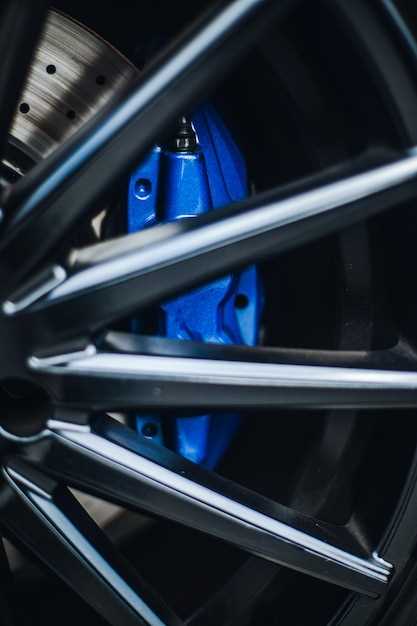
The braking system of your vehicle is crucial for safety and performance. Over time, the components such as pads and rotors wear down and degrade, affecting your car’s ability to stop efficiently. Recognizing the signs that indicate it’s time to change these parts can prevent costly repairs and enhance your driving safety.
Brake pads are responsible for applying friction to the rotors, ultimately bringing your vehicle to a halt. If you notice any unusual noises, such as squeaking or grinding when braking, it’s a clear indication that your brake pads may be worn and need replacement. Additionally, if you experience a vibration in the brake pedal or steering wheel, it could suggest that your rotors are warped and require attention.
Monitoring the thickness of your brake pads and the condition of your rotors is vital for maintaining safe driving conditions. Regular inspections can help you determine when to replace these components, ensuring your braking system functions optimally. Understanding the warning signs will empower you to take timely action, keeping you and others safe on the road.
Unusual Noises Indicating Worn Brake Components
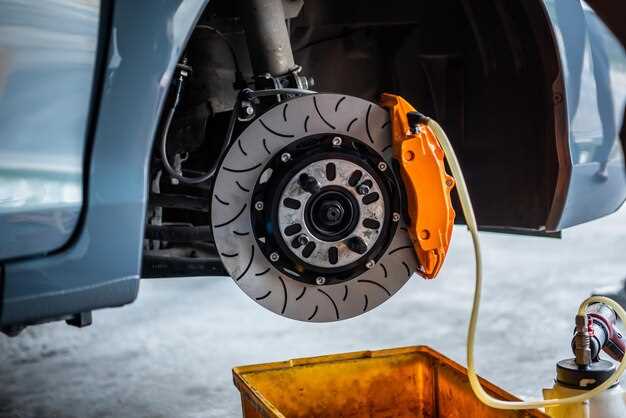
When your vehicle’s brake system is functioning properly, it operates quietly and efficiently. However, unusual noises can be a clear indication that the brake pads or rotors are worn and may need replacement. One of the most common sounds to listen for is a high-pitched squealing. This noise often suggests that the brake pads have worn down to their wear indicators, which are designed to alert you before the pads become completely ineffective.
Another sound to be aware of is a grinding noise, which may occur when the brake pads are excessively worn, allowing metal to contact metal. This can cause further damage to the rotors, potentially leading to more costly repairs. A thumping or pulsating sound while braking may signal warped rotors that require immediate attention.
If you hear a clicking or rattling noise, it could mean that there are loose components within the brake assembly. This might happen due to worn hardware or improperly installed parts. Ignoring these noises can lead to a decrease in braking efficiency and pose a safety risk.
Always pay attention to these unusual sounds, as they are often indicative of more significant issues within the brake system. Regular inspection and maintenance of brake pads and rotors can ensure optimal performance and safety on the road.
Decreased Stopping Power and Brake Responsiveness
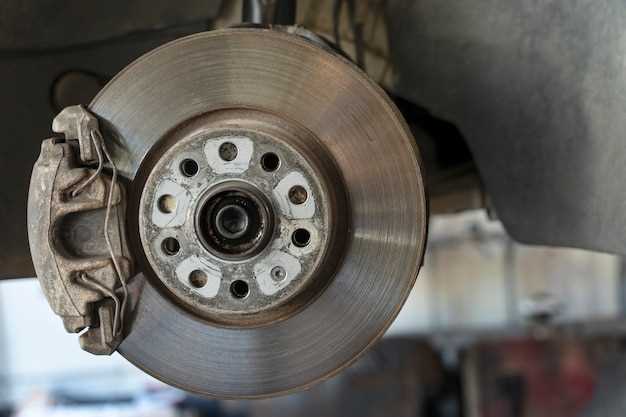
One of the most critical signs indicating the need for new brake pads and rotors is a noticeable decrease in stopping power. If your vehicle requires a longer distance to come to a complete stop, this can be a direct result of worn brake components. As brake pads wear down, they become less effective in generating the necessary friction against the rotors, which directly affects your vehicle’s ability to stop efficiently.
In addition to extended stopping distances, decreased brake responsiveness is another major warning sign. A spongy or soft brake pedal can indicate that the brake pads have worn significantly, leading to compromised braking performance. If you find yourself having to press the pedal harder than usual to achieve the same braking effect, it’s time to consider replacing your brake pads and rotors.
Not only does reduced stopping power pose a risk to your safety, but it can also lead to more significant wear on the rotors themselves. As the brake pads degrade, they can create uneven wear patterns on the rotors, causing vibrations and noise when braking. Ignoring these signs may result in costly repairs and compromised vehicle safety.
By monitoring your braking system for decreased stopping power and responsiveness, you can ensure your vehicle remains safe and reliable. Regular inspection of brake pads and rotors is essential to maintain optimal braking performance.
Visual Inspection: Signs of Damage and Wear on Rotors and Pads
Regular visual inspection of brake components is crucial for maintaining optimal vehicle safety. The pads and rotors experience significant wear over time, which can compromise braking performance.
When examining brake pads, look for any signs of thinning. If the material appears less than 1/4 inch thick, it’s time for replacement. Additionally, check for uneven wear patterns; this can indicate issues such as misalignment or caliper problems.
Cracks or deep grooves on the surface of the brake rotors are warning signs of excessive wear. A smooth surface is essential for effective braking, so any scoring or rust can negatively impact performance. If the rotors show signs of significant pitting, they may also need to be replaced.
Pay attention to any discoloration. If a rotor exhibits a bluish tint, it’s a sign of overheating, which could compromise its integrity. Make sure to inspect the rotor edges as well; any sharp burrs or chipping can indicate a need for immediate attention.
Lastly, listen for unusual noises while braking. Squeaking or grinding sounds can often point to worn brake pads that are nearing the end of their lifespan, requiring prompt replacement for safety.