
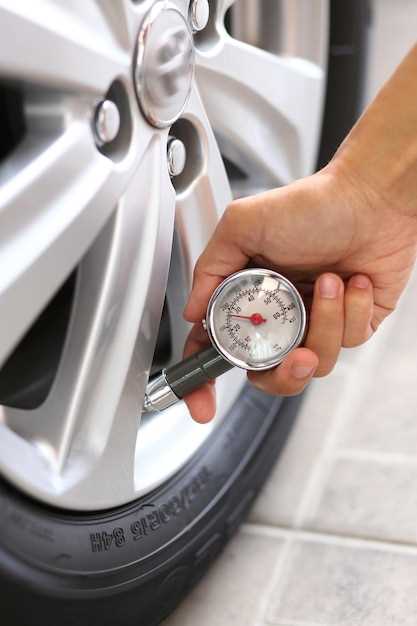
As a motorcycle rider, the condition of your tires is paramount to your safety and performance on the road. Neglecting tire maintenance can lead to decreased traction, increased wear, and potentially dangerous riding conditions. Understanding the fundamentals of tire care is essential for every rider aiming to enjoy a safe and smooth ride.
One of the most critical aspects of tire maintenance is maintaining the correct pressure. Under-inflated tires can lead to higher rates of wear and may compromise your handling capabilities. Conversely, over-inflated tires can result in a harsh ride and decreased grip on the road. Regularly checking and adjusting tire pressure not only enhances performance but also extends the lifespan of your tires.
Beyond monitoring pressure, it’s important to keep an eye on the overall condition of your tires. Inspecting for any signs of damage, uneven wear, or foreign objects lodged in the tread can help you address issues before they escalate. By prioritizing tire maintenance, you ensure a safer ride for yourself and improve the overall riding experience.
Understanding Motorcycle Tire Pressure and Its Importance

Proper tire pressure is essential for motorcycle performance, safety, and longevity. Maintaining the correct pressure in your tires ensures optimal contact with the road, which translates into better handling and reduced risk of accidents. Under-inflated or over-inflated tires can lead to a variety of issues, including diminished traction, irregular wear, and increased stopping distances.
Every motorcycle comes with a manufacturer-recommended tire pressure, usually found in the owner’s manual or on a sticker near the rear swingarm. These values should be adhered to for both front and rear tires. It’s important to check the pressure regularly, as tire pressure can fluctuate due to temperature changes or gases escaping from the tire over time.
Maintaining correct tire pressure not only enhances safety but also contributes to a more comfortable ride. Properly inflated tires absorb road imperfections more effectively, providing a smoother experience. Additionally, consistent monitoring can lead to improved fuel efficiency, saving you money in the long run.
To ensure you have the right pressure, use an accurate gauge and check tires when they are cold, ideally before riding. If adjustments are needed, inflate or deflate your tires accordingly. Remember, the right tire pressure is a fundamental part of motorcycle maintenance that cannot be overlooked.
Signs of Wear and When to Replace Your Motorcycle Tires
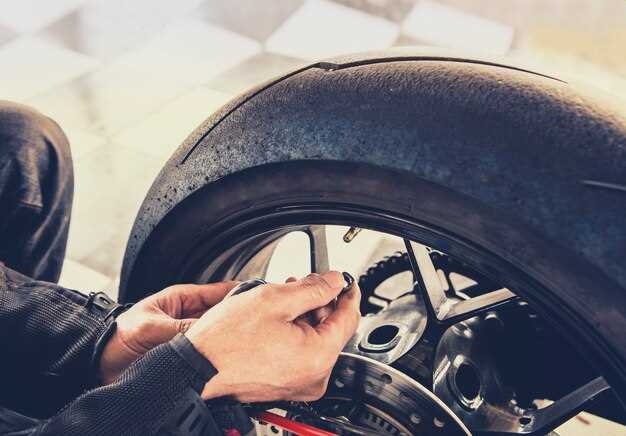
Regular inspection of your motorcycle tires is crucial for safe riding. One of the most noticeable signs of wear is the tread depth. If the tread has worn down to 1/32 of an inch, it’s time to replace your tires. You can use the penny test: insert a penny into the tread with Lincoln’s head facing down; if you can see the top of his head, the tread is too worn.
Another indication of tire wear is visible cracking. Look for any small cuts or cracks in the rubber, especially around the sidewalls. These can compromise the tire’s integrity and signal that replacement is necessary. Additionally, check for uneven wear patterns. If one side of the tire is more worn than the other, it could be a sign of improper pressure or alignment issues.
Poor tire pressure can also contribute to wear. Under-inflated tires can cause the edges to wear out faster, while over-inflated tires can lead to quicker center wear. Always check your tire pressure regularly to ensure it meets the manufacturer’s recommendations. A good rule of thumb is to inspect your tire pressure before every ride.
Lastly, pay attention to how your motorcycle handles. If you notice a decrease in grip, excessive vibration, or any odd noises while riding, these could be signs that your tires are nearing the end of their lifespan. Prioritize tire maintenance and replacement to ensure a safer ride.
Best Practices for Cleaning and Storing Motorcycle Tires
Maintaining the cleanliness and proper storage of motorcycle tires is crucial for ensuring optimal performance and longevity. Regular cleaning helps remove debris, dirt, and grime that can affect tire performance and safety.
To clean motorcycle tires effectively, start by using a dedicated tire cleaner or a mild soap solution. Gently scrub the tire’s surface with a soft brush to avoid damaging the rubber. Pay special attention to the tread area, as this is where most contaminants accumulate. After scrubbing, rinse thoroughly with water to remove any soap residue and allow the tire to dry completely before storing.
Once clean, inspecting the tire for any signs of damage such as cracks, bulges, or excessive wear is essential. Address any issues before storing the tires, as this preventative measure can extend their lifespan. Ensuring the correct pressure in the tires is also critical; under-inflated or over-inflated tires can deteriorate faster when not in use.
When it comes to storing your motorcycle tires, choose a cool, dry location away from direct sunlight and extreme temperatures. UV rays and ozone can degrade rubber over time, leading to premature aging. Ideally, place tires on a flat surface, either on their sides or hanging, to prevent flat spots from developing.
If possible, store tires in an airtight bag with some desiccant to keep moisture at bay. This ensures that the tires remain in good condition and do not develop mold or mildew during storage. Finally, check tire pressure periodically, as it can change due to temperature fluctuations, ensuring they’re ready for use when you need them again.