

Purchasing a motorcycle can be an exciting yet daunting experience, especially for first-time buyers. Before sealing the deal on your dream ride, it’s essential to conduct a thorough pre-purchase inspection. This process not only helps you assess the motorcycle’s condition but also ensures that you make a wise investment. In this article, we will share valuable tips that every motorcycle buyer should consider during the inspection process.
Understanding what to look for can make a significant difference in your buying experience. Whether you’re buying from a dealer or a private seller, having a checklist can help you stay organized and reduce the risk of overlooking crucial details. By following these inspection tips, you can identify potential issues that could impact the motorcycle’s performance and your safety down the road.
From checking the basic mechanics to examining the bike’s history, these guidelines will equip you with the knowledge needed to navigate the purchase confidently. Let’s dive into the essential steps you should take before committing to your next motorcycle purchase.
Key Components to Inspect on a Motorcycle Before Buying
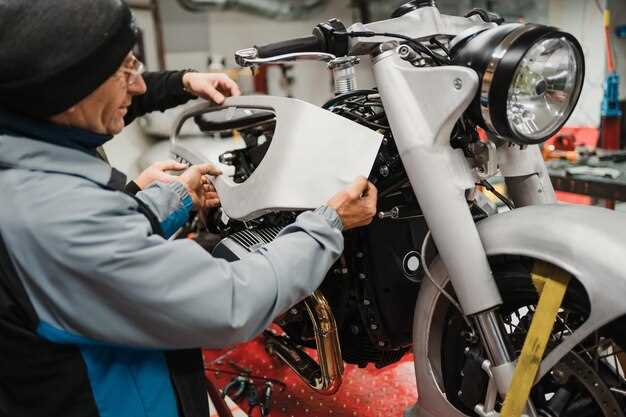
When considering the purchase of a motorcycle, it’s essential for the buyer to thoroughly inspect several key components to ensure they’re making a wise investment. Below are essential tips for inspecting these crucial parts.
1. Engine Condition: Begin your inspection by checking the engine. Look for any leaks or signs of oil consumption, including excessive smoke from the exhaust. Start the bike; listen for unusual noises that could indicate internal issues.
2. Tires: Examine the tires for even wear and sufficient tread depth. Uneven wear may suggest alignment issues or problems with the suspension. Check for any cracks or bulges that may compromise safety.
3. Brakes: Inspect both front and rear brakes. Check for wear on the brake pads and examine the rotors for grooves or discoloration. Ensure there’s adequate brake fluid and that the brakes respond effectively without odd noises or vibrations.
4. Suspension: Test the suspension system by pushing down on the handlebars and observing how quickly the bike rebounds. Any excessive bounce or stiffness may indicate a need for replacement components.
5. Frame and Body: Assess the frame for any signs of damage or rust. Look closely at welds and mounting points, as these areas are critical for the motorcycle’s structural integrity. Check panels and fairings for cracks or significant scratches.
6. Electrical System: Ensure that all electrical components are functioning correctly. This includes the headlights, tail lights, turn signals, and any gauges. A malfunctioning electrical system can lead to costly repairs.
7. Fluid Levels: Verify that all fluids, including oil, coolant, and brake fluid, are at appropriate levels and free from contamination. Low fluid levels can indicate neglect or potential mechanical problems.
By following these inspection tips, a buyer can make a more informed decision and avoid unexpected issues after the purchase of a motorcycle.
How to Evaluate the Maintenance History and Documentation

When considering a motorcycle purchase, reviewing the maintenance history and documentation is crucial for any buyer. A well-maintained motorcycle often indicates a responsible previous owner, which can save you from potential headaches down the road.
1. Request Service Records: Ask the seller for detailed service records. These should include documentation of routine maintenance, repairs, and any upgrades performed on the motorcycle. Comprehensive records demonstrate that the motorcycle has been consistently cared for, making it a safer investment.
2. Look for Consistency: Examine the timeline of maintenance. Regular oil changes, inspections, and services at recommended intervals point to diligent upkeep. Inconsistent maintenance may suggest neglect, which could lead to future problems.
3. Verify Documentation: Cross-check service records with authorized dealers or mechanics listed. Contacting them can confirm the authenticity of the records. Additionally, check if the motorcycle has been involved in any accidents that may not show up in the documentation.
4. Pay Attention to Parts Replacement: Take note of any major parts that have been replaced, such as the tires, brakes, or battery. Replacements can indicate either wear and tear or improvements. Understanding the age and condition of parts gives insight into the motorcycle’s reliability.
5. Analyze Warranty Information: If applicable, review any remaining warranty coverage. A motorcycle under warranty may offer peace of mind to a buyer, as it can minimize the cost of repairs for specific issues.
6. Consider the Importance of Owner Information: Knowing how many owners the motorcycle has had is essential. Fewer previous owners can indicate stability, while multiple owners may raise concerns about the motorcycle’s overall condition or rider satisfaction.
In conclusion, a thorough examination of the motorcycle’s maintenance history and documentation not only assists buyers in making informed decisions but also enhances the likelihood of purchasing a reliable vehicle. Prioritize clear communication with the seller, and do not hesitate to request additional information if necessary.
Common Red Flags to Look Out for During a Motorcycle Inspection
Conducting a thorough inspection before purchasing a motorcycle is crucial for making an informed decision. Here are some common red flags to watch for during your motorcycle inspection:
- Damage and Repairs:
- Check for signs of frame damage or bending.
- Look for mismatched paint or uneven surfaces, which may indicate past accidents.
- Inspect for rust or corrosion on metal parts, particularly around the engine and exhaust.
- Mileage Discrepancies:
- Verify the odometer reading against service records.
- Excessively low mileage on older motorcycles can be a sign of neglect.
- Engine Performance:
- Listen for unusual noises such as knocking or grinding during startup and idle.
- Check the oil level and quality; dark or muddy oil may indicate poor maintenance.
- Look for leaks under the bike, especially around the engine and transmission.
- Electrical System:
- Test all lights, indicators, and the horn to ensure they function properly.
- Look for frayed or exposed wiring that can lead to electrical issues.
- Suspension and Tires:
- Inspect tires for uneven wear patterns or bald spots which can indicate alignment issues.
- Check the suspension for leaks, and test whether it compresses and rebounds smoothly.
- Braking System:
- Examine brake pads for thickness and even wear.
- Check the brake fluid level and look for signs of contamination.
By being aware of these common red flags, you can better assess the condition of the motorcycle during your inspection and avoid potential costly repairs down the line.