
For beginners stepping into the world of motorcycles, understanding how to maintain your bike is crucial for ensuring a safe and enjoyable riding experience. Motorcycle maintenance is not just about keeping your machine looking good; it is essential for its performance and longevity. With the right knowledge and practices, you can avoid costly repairs and improve your bike’s reliability.
This guide will cover key maintenance tips that every beginner motorcyclist should know. From routine checks to essential services, we will break down the processes into manageable steps. By following these tips, you will not only develop a stronger bond with your motorcycle but also enhance its performance and safety on the road.
Whether you are a new owner or someone contemplating purchasing your first bike, this guide aims to equip you with the foundational skills needed to care for your motorcycle. Get ready to dive into the core aspects of motorcycle maintenance, tailored specifically for beginners who seek confidence and competence in their riding journey.
Understanding Basic Motorcycle Components and Their Functions
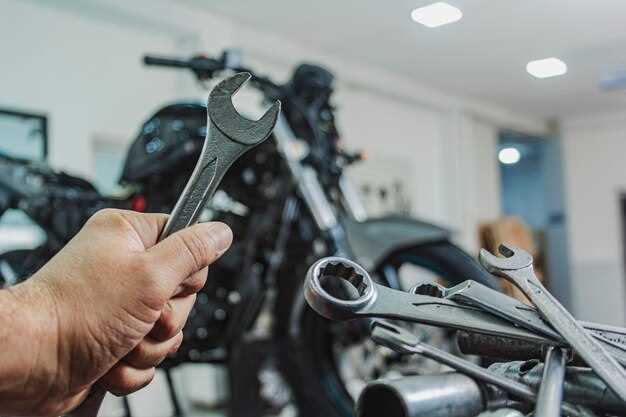
To effectively perform motorcycle maintenance, it’s essential to have a solid grasp of the basic components that make up your machine and their functions. Understanding these elements will help you identify issues and conduct proper maintenance.
Engine: The heart of the motorcycle, the engine converts fuel into mechanical energy. Most motorcycles use either a two-stroke or four-stroke engine. Regular checks on oil levels and coolant are crucial for optimal performance.
Transmission: This component transfers power from the engine to the wheels. It consists of gears that help to control speed and torque. Proper maintenance includes ensuring that the transmission fluid is clean and at the correct level.
Brakes: Safe braking is vital for rider safety. Motorcycles typically have disc or drum brakes. Routine checks on brake pads, fluid, and lines, along with replacing worn components, ensure effective stopping power.
Suspension: This system enhances comfort and control by absorbing bumps and shocks. Regular inspection and adjustment of forks and shocks are necessary to maintain stability and handling.
Tires: Tires play a crucial role in traction and overall performance. Keeping an eye on tire pressure, tread depth, and wear is essential for safety and durability. Proper inflation and alignment should be routinely checked.
Electrical System: This includes the battery, wiring, and all electrical components like lights and ignition. Regularly checking the battery charge and ensuring that all electrical connections are secure helps prevent unforeseen issues.
Fuel System: This system is responsible for delivering fuel to the engine. Maintenance involves checking the fuel filter, injector, and carburetor for clogs or leaks. Keeping the fuel system clean ensures efficient combustion.
By understanding these basic components of your motorcycle, you can perform effective maintenance and ensure your ride remains in top condition.
Step-by-Step Guide to Regular Oil Changes

Performing regular oil changes is essential for maintaining your motorcycle’s performance and longevity. This guide will help beginners navigate the process with ease.
Step 1: Gather Your Supplies
Before starting, gather all necessary materials: a new oil filter, the appropriate type of oil for your motorcycle, an oil catch pan, a wrench, a funnel, and a shop towel. Check your owner’s manual for specific oil requirements.
Step 2: Warm Up the Engine
Start your motorcycle and let it run for a few minutes. Warming the engine helps the oil drain out more smoothly, as it reduces viscosity.
Step 3: Prepare for Draining
Turn off the motorcycle and place it on a stable surface. Position the oil catch pan under the oil drain plug, ensuring it’s centered to catch the draining oil.
Step 4: Drain the Old Oil
Using the wrench, carefully loosen the drain plug and let the old oil flow into the catch pan. Be cautious, as the oil may still be hot. Allow it to drain completely, which might take a few minutes.
Step 5: Replace the Oil Filter
While the oil is draining, locate the oil filter. Use an oil filter wrench to remove it. Before installing the new filter, apply a bit of new oil to its rubber gasket to ensure a good seal. Install the new oil filter by hand, tightening it securely but not excessively.
Step 6: Reinstall the Drain Plug
Once all the oil has drained, reinstall the drain plug and tighten it with your wrench. Ensure it is snug to prevent leaks.
Step 7: Add New Oil
Using a funnel, pour the new oil into the engine through the oil filler cap. Refer to your owner’s manual for the correct amount of oil required. Avoid overfilling, as this can cause engine issues.
Step 8: Check Oil Level
After adding oil, wait a few minutes, then check the oil level using the dipstick or sight glass. Add more oil if necessary, but ensure it is within the recommended range.
Step 9: Start the Engine
Start your motorcycle and let it run for a minute. This allows the new oil to circulate. Afterward, check under the motorcycle for any leaks around the oil filter and drain plug.
Step 10: Clean Up
Dispose of the old oil and filter responsibly at a local recycling center or auto parts store. Proper disposal is crucial for environmental protection.
Regular oil changes are vital for your motorcycle’s health. Following these steps will ensure you maintain your bike effectively and prevent costly repairs in the future.
How to Check and Maintain Tire Pressure and Tread Depth
For beginners, maintaining the tire pressure and tread depth of a motorcycle is vital for safety and performance. Proper tire maintenance ensures optimal grip, stability, and fuel efficiency.
To check tire pressure, start by using a reliable tire pressure gauge. Ensure that the motorcycle has been parked for a few hours to get an accurate reading, as tire temperature can affect pressure. Refer to the owner’s manual or the sticker located on the motorcycle frame for the recommended pressure levels, which are typically listed in psi (pounds per square inch).
Remove the valve cap from the tire and press the gauge onto the valve stem. Read the value displayed on the gauge, and compare it with the recommended pressure. If the tire pressure is too low, inflate the tire until it reaches the desired level. If it’s too high, release some air until you attain the correct pressure.
Checking tread depth is equally important. Use a tread depth gauge or the penny test as a simple method. Insert a penny into the tread groove with Lincoln’s head down. If you can see the top of Lincoln’s head, the tread is too worn and requires replacement. Ideally, a motorcycle tire should have at least 2/32 of an inch of tread to ensure proper traction.
Regularly inspect tires for visible signs of wear, damage, or foreign objects embedded in the tread. Ensure that the tires are clean and free of debris, which can affect performance. It’s advisable to perform these checks at least once a month, more frequently if riding in challenging conditions.
Maintaining proper tire pressure and tread depth not only enhances your riding experience but also prolongs the lifespan of the tires. For beginners, incorporating these maintenance tips into your routine will lead to safer and more enjoyable rides.