
For many bikers, riding is not just a mode of transportation; it is a way of life characterized by freedom, adventure, and camaraderie. However, with this lifestyle comes a set of rules and etiquette that every motorcyclist should adhere to, ensuring a safe and enjoyable experience for everyone on the road. Understanding and practicing motorcycle etiquette plays a crucial role in building a positive reputation within the riding community and promoting mutual respect among all road users.
Whether you’re cruising through scenic highways or participating in a thrilling motorcycle event, knowing the essential etiquette can significantly enhance your riding experience. These guidelines serve not only to protect your own safety but also to foster an environment where other bikers and motorists feel secure. By following established rules and understanding the unspoken ones, you contribute to a culture that values responsibility, respect, and harmony among riders.
In this article, we will explore key etiquette tips for bikers, covering important aspects of both everyday riding and large gatherings. From how to communicate with fellow riders to the best practices for maintaining a safe distance on the road, these insights will equip you with the knowledge needed to navigate various situations with confidence and courtesy.
Respecting Other Road Users: Essential Practices for Safety
As a biker, understanding and following the rules of the road is crucial not only for your own safety but also for that of others. Respecting fellow road users–including cars, cyclists, and pedestrians–creates a safer riding environment for everyone.
Always maintain a safe distance from other vehicles. This ensures you have enough space to react in emergencies. Be mindful of the blind spots of larger vehicles. They may not see you, and sudden movements can lead to dangerous situations.
Use turn signals to communicate your intentions clearly. This practice helps other road users anticipate your actions, reducing the chances of accidents. Additionally, be vigilant when approaching intersections; they are common hotspots for collisions. Look out for potential hazards before proceeding.
Practice patience, especially in heavy traffic. Aggressive riding or lane splitting can irritate other drivers and lead to confrontations. Instead, maintain a calm demeanor and stay within your lane, respecting the flow of traffic.
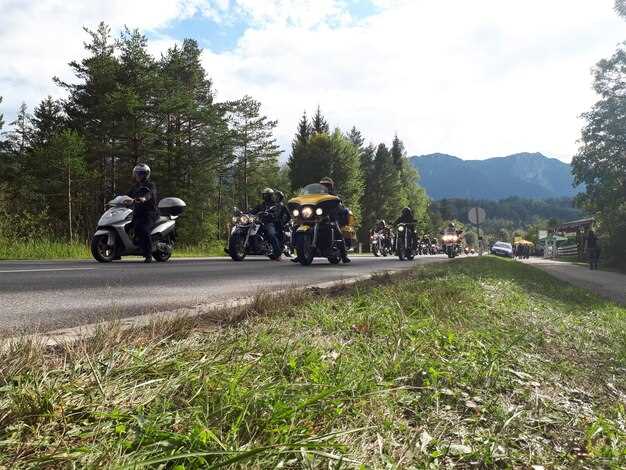
In group rides or events, adhere strictly to the rules of formation riding. This ensures that all bikers can maneuver safely together. Be aware of your surroundings, and communicate effectively with other riders to enhance safety during these events.
Ultimately, showing consideration for other road users fosters a harmonious atmosphere. By prioritizing safety, understanding the importance of rules, and acting as a responsible biker, you can contribute to a safer road experience for everyone.
Group Riding Protocols: Navigating Together Safely
Participating in group rides requires understanding and adherence to specific etiquette and rules to ensure the safety and enjoyment of all riders involved. The key to successful group riding is communication and coordination on the road.
First, establish a clear leader and sweep rider before setting off. The leader sets the pace and navigates, while the sweep rider ensures no one gets left behind. Riders should remain in formation, allowing for easier navigation and enhancing visibility for all participants.
Maintain a safe distance between motorcycles, ideally a two-second gap, which allows enough space for reaction in case of sudden stops. Avoid tailgating, as it can lead to accidents. Riders should signal any changes in speed or direction clearly, using hand signals or brake lights to communicate with others in the group.
Be mindful of lane positioning. Use staggered formation, where bikes are aligned staggeringly rather than side by side. This arrangement maximizes visibility and provides an escape route for each rider, should an emergency arise.
When navigating through intersections or complex road conditions, it is crucial to stay together and not split the group. Wait for all riders to clear an intersection before proceeding. Always be aware of road conditions, paying attention to obstacles, traffic, and weather changes that could impact riding safety.
Lastly, adhere to local traffic laws and speed limits, demonstrating responsibility as a group. Group rides should be an enjoyable experience, promoting camaraderie among riders while prioritizing safety on the road.
Event Behavior: Fostering Community Spirit Among Bikers
Participating in motorcycle events is a unique opportunity for bikers to connect and share their passion. To maintain harmony and support among fellow riders, it’s essential to adhere to certain rules of conduct that foster a positive community spirit.
- Respect for Others: Always treat other bikers and attendees with respect. A simple smile or nod can create a welcoming atmosphere.
- Follow Traffic Rules: When riding in groups, ensure that everyone adheres to road regulations. This includes obeying speed limits and using proper signals for turns and stops.
- Be Mindful of Noise: While motorcycles can be loud, being conscious of excessive revving during events helps maintain a pleasant environment for all.
- Participate in Group Activities: Engage in organized rides, workshops, and discussions. Contributing to these activities enhances camaraderie among bikers.
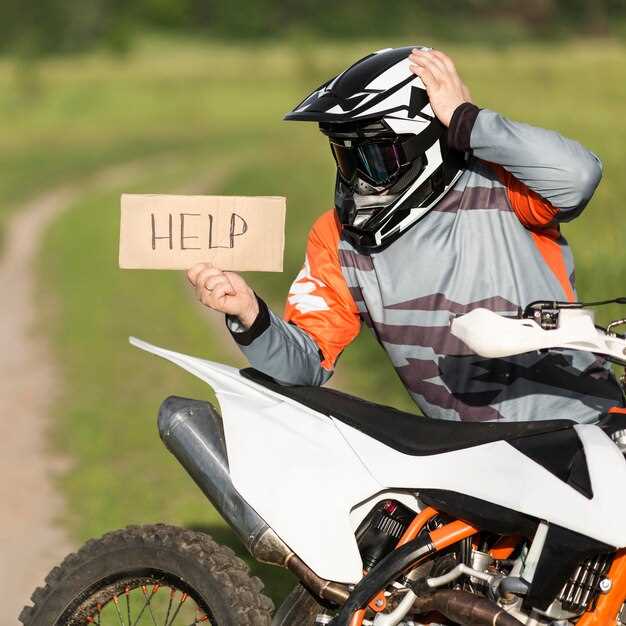
- Support Fellow Riders: If someone faces an issue on the road or at an event, offer assistance. Helping each other strengthens community bonds.
- Share Stories and Experiences: Take time to connect with others by sharing your biking experiences. This creates a sense of belonging and mutual understanding.
- Clean Up After Yourself: Whether at a rally or a meetup, always leave your area clean. Respect for the venue shows consideration for the community and encourages future events.
By following these guidelines, bikers can contribute to a thriving motorcycle community. Remember, the essence of being a biker is not just about the ride; it’s about the connections made along the way.