
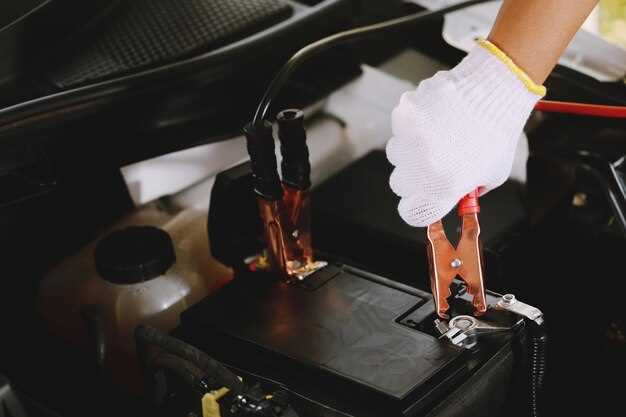
A motorcycle’s battery is a crucial component that powers not only the ignition system but also various electronic accessories. Proper maintenance and timely replacement can significantly enhance the life of the battery, ensuring that your riding experience remains uninterrupted. Understanding the factors that affect battery lifespan and performance is essential for every motorcycle owner.
Regular maintenance involves checking the battery’s fluid levels, cleaning terminals, and ensuring optimal charging conditions. These simple actions can prevent corrosion and extend battery life. Additionally, being aware of signs that indicate a need for replacement, such as difficulty starting the engine or dimming lights, can help you avoid unexpected breakdowns on the road.
In this article, we will explore effective techniques for maintaining your motorcycle’s battery, as well as practical tips for a successful replacement when the time comes. By implementing these strategies, you can ensure that your motorcycle remains reliable and ready for any adventure.
Identifying Signs of a Failing Motorcycle Battery
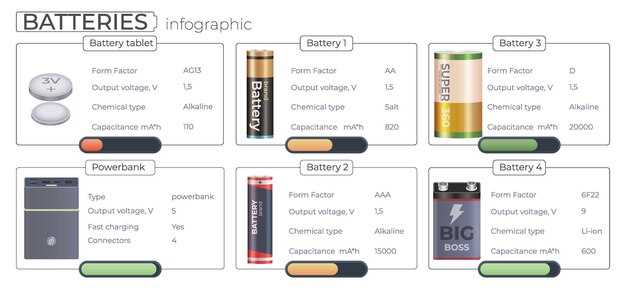
A motorcycle battery is essential for starting the engine and powering various electrical components. Proper care can extend its lifespan, but it’s crucial to recognize when the battery is failing. Below are some key signs to watch for that indicate your motorcycle battery may need attention or replacement.
- Slow Engine Crank: If you notice that the engine takes longer to start than usual or struggles to crank over, this could be a sign of a weakening battery.
- Dim Lights: Diminishing brightness in the headlights or dashboard lights can indicate that the battery is losing its charge.
- Corrosion: Look for any corrosion on the battery terminals, which can interfere with electrical connections and hinder performance.
- Frequent Jump Starts: If you find yourself needing to jump-start your motorcycle often, it’s likely that the battery is unable to hold a charge.
- Swollen Battery Case: A swollen or misshapen battery case can be a sign of internal damage or overheating, indicating that the battery is failing.
Regular maintenance and inspections can help mitigate potential issues with your motorcycle’s battery. It’s advisable to check the battery at least once a month if the bike is used regularly. Keep the terminals clean, and ensure that connections are secure to prevent premature failure.
If you recognize any of these signs in your motorcycle battery, it may be time to consider replacement. Ignoring these symptoms could lead to being stranded or facing a more costly repair later. Proper care and timely replacement are key to ensuring your motorcycle runs smoothly.
Steps for Cleaning and Maintaining Your Battery
Proper maintenance of your motorcycle battery is essential for optimal performance and longevity. Here are the key steps to ensure your battery remains in excellent condition.
First, ensure safety by wearing gloves and protective eyewear. Disconnect the negative terminal of the battery to prevent accidental short-circuiting. This step is crucial when cleaning or inspecting the battery.
Next, inspect the battery for any signs of corrosion, which usually appears as a white or green powdery substance around the terminals. Carefully clean these areas using a mixture of baking soda and water. Apply the solution with a non-abrasive brush, allowing it to sit for a few minutes before rinsing off with clean water. Ensure that no solution enters the battery cells.
After cleaning, dry the terminals thoroughly. You can use compressed air or a clean cloth to remove any moisture. Once dry, apply a thin layer of petroleum jelly or battery terminal protector to help prevent future corrosion.
Additionally, regularly check the battery’s fluid level if it is a maintenance-type lead-acid battery. If the fluid is low, add distilled water until it reaches the appropriate level, ensuring not to overfill. If you have a sealed battery, this step is not necessary.
Finally, reconnect the battery terminals, ensuring that the positive terminal is connected first, followed by the negative terminal. Regularly inspect the battery for signs of wear and check connections to ensure that they are secure. By following these maintenance steps, you can extend the life of your motorcycle battery and enhance its performance.
Best Practices for Safe Battery Replacement
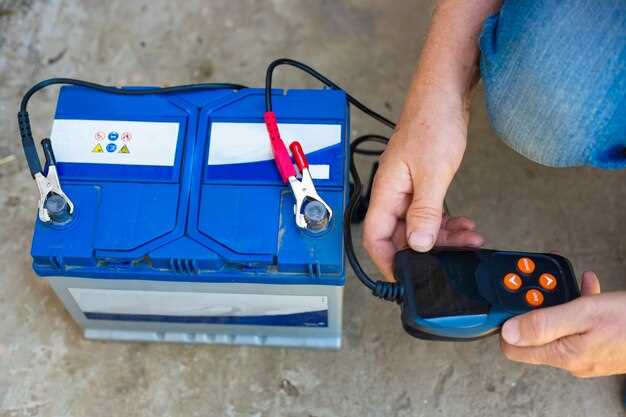
Replacing a motorcycle battery requires careful attention to safety and proper techniques to ensure longevity and optimal performance. Before starting, gather all necessary tools, including a socket wrench, gloves, and eye protection.
First, ensure the motorcycle is parked on a flat, stable surface. Turn off the ignition and remove the key to prevent accidental starting during the replacement process. If the battery is removable, disconnect the negative terminal first to minimize the risk of short circuits. Use a wrench to loosen the terminal clamp and carefully wiggle it free from the battery post.
Next, remove the positive terminal by following the same procedure. Take note of the battery’s orientation, as it will need to be placed in the same position when installing the new battery. If the old battery is leaking or damaged, handle it with extra caution and consider using a battery-specific spill kit.
Once the old battery is removed, clean the terminal connectors with a solution of baking soda and water to remove any corrosion. Rinse and dry thoroughly before proceeding. When installing the new battery, carefully place it in the compartment, ensuring the terminals are positioned correctly as previously noted.
Reconnect the positive terminal first, tightening it securely. Follow with the negative terminal, ensuring both connections are tight to prevent future electrical issues. After installation, double-check all connections for safety and stability.
Finally, dispose of the old battery responsibly, adhering to local regulations regarding battery recycling. Regularly check the new battery for secure mounting and clean terminals to ensure optimal performance during your rides.