
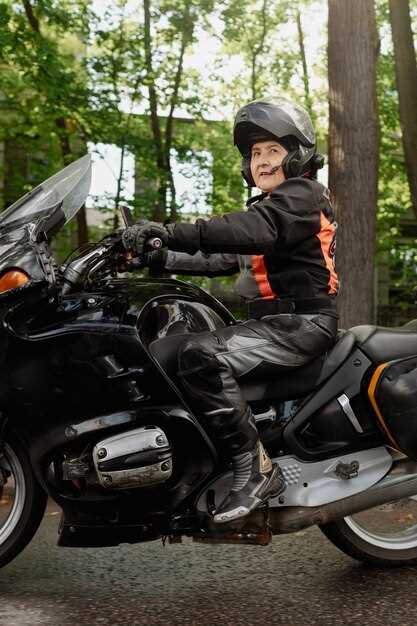
Choosing the right motorcycle is a crucial step for any beginner rider. With a plethora of options available, identifying the best value bikes can seem overwhelming. It is essential to consider factors such as size, weight, and ease of handling while keeping budget constraints in mind. For new riders, finding a motorcycle that combines affordability with quality can enhance the learning experience and build confidence on the road.
Beginner motorcycles are specifically designed to be user-friendly, allowing riders to gain experience without feeling intimidated. Models in this category often feature lower seat heights and lighter frames, making them ideal for those who are still acclimating to two-wheeled travel. Furthermore, these bikes typically have less powerful engines, enabling smoother acceleration and better control, which is vital for novice riders.
As you embark on your journey to find the perfect beginner motorcycle, it’s important to assess not only the purchase price but also the long-term costs associated with ownership, such as insurance and maintenance. By focusing on the best value options, new riders can discover bikes that not only meet their needs but also provide enjoyable and safe riding experiences. This guide will explore some of the top choices available, ensuring that you find a motorcycle that suits both your skill level and your wallet.
Top Budget-Friendly Motorcycles Under $5000

For new riders looking to enter the world of motorcycling without breaking the bank, there are several excellent options available under $5000. These budget-friendly bikes not only provide great value but also ensure a smooth learning curve for beginners.
One notable option is the Honda Rebel 500. This motorcycle is perfect for beginners, featuring a low seat height and a lightweight design. Its 471cc parallel-twin engine delivers sufficient power while remaining manageable for novice riders. The Rebel’s classic styling adds to its appeal, making it a stylish choice for those looking to join the motorcycle community.
Another excellent choice is the Kawasaki Ninja 400. This bike is well-known for its nimble handling and sporty performance. With a 399cc engine, it strikes an ideal balance for new riders seeking speed without excessive power. Its aggressive design and advanced features, such as ABS brakes, make it a popular option for beginners and experienced riders alike.
The Suzuki SV650 is also a fantastic motorcycle for beginners on a budget. With a 645cc V-twin engine, it offers smooth power delivery and a comfortable seating position. The lightweight frame enhances maneuverability, allowing new riders to build their confidence on the road. Its versatility means it can handle both city commuting and longer rides without any issues.
Finally, the Yamaha YZF-R3 is another budget-friendly option that caters well to novice riders. This sporty bike features a 321cc twin-cylinder engine and an aerodynamic design, making it perfect for those who appreciate performance. With a responsive handling system, it makes for an enjoyable ride, helping beginners develop their skills in a safe manner.
In conclusion, there are various motorcycles available for new riders that fit under the $5000 mark. Whether you prefer a cruiser like the Honda Rebel or a sportier option like the Yamaha YZF-R3, these bikes not only provide excellent value but also help build confidence as you embark on your motorcycling journey.
Key Features to Look for in Beginner Motorcycles

When selecting the right bike for a new rider, several essential features must be considered to ensure a smooth and safe learning experience. First and foremost is the bike’s weight. A lighter motorcycle is generally easier to handle, making it less intimidating for beginners to maneuver and control.
Next, engine size plays a crucial role. For novice riders, motorcycles with smaller engines, typically between 250cc to 500cc, are ideal. These bikes provide sufficient power for city riding without overwhelming the rider, allowing for gradual skill development.
Another important aspect is seat height. A beginner should be able to comfortably reach the ground while sitting on the motorcycle. This accessibility is vital for confidence during stops and low-speed maneuvers.
Moreover, look for models with user-friendly features. A bike equipped with smooth throttle response and easy-to-operate controls can significantly enhance the learning experience. Additionally, the bike should have good braking capabilities; disc brakes are preferable for their improved stopping power.
Lastly, consider the bike’s cost. Sticking to a budget is essential for new riders, as it’s wise to invest in a motorcycle that won’t break the bank but still meets all safety and usability standards. Finding a balance between affordability and performance is key to making a good choice.
Maintenance Tips for New Riders on a Budget
Maintaining your motorcycle doesn’t have to break the bank, especially for beginners looking to keep costs low while ensuring their ride remains reliable. Here are some practical tips to help you manage your motorcycle maintenance effectively without overspending.
First, familiarize yourself with your motorcycle’s owner manual. Understanding the recommended maintenance schedule, such as oil changes, brake checks, and tire replacements, will help you anticipate when services are needed, allowing you to budget accordingly.
Perform regular inspections of your motorcycle. Simple checks, like looking for leaks, inspecting the tires for wear, and ensuring all lights function properly, can save you from costly repairs later. Addressing minor issues early can prevent them from becoming bigger problems.
Learn basic maintenance tasks. As a beginner, start with simple procedures such as changing the oil and oil filter, cleaning and lubricating the chain, and replacing air filters. These tasks are not only affordable but can also enhance your understanding of your motorcycle.
Buy quality tools. Investing in a basic set of tools can help you perform maintenance at home, saving you money on labor costs. Look for universal tools that can be used for various repairs and adjustments, ensuring you get the best value.
Keep an eye on your motorcycle’s tires. Proper inflation and regular rotation extend tire life and improve safety. Use a tire pressure gauge to monitor air levels and check tread wear to avoid premature replacements.
Consider joining a motorcycle community or forum. Engaging with fellow riders can provide insights on maintenance techniques, cost-effective resources, and parts suppliers. Sharing knowledge helps you make informed decisions while keeping expenses under control.
Lastly, when purchasing replacement parts, look for budget-friendly options. Many brands offer reliable aftermarket parts that can save you money compared to OEM parts. Just ensure you choose reputable suppliers to avoid compromising quality.